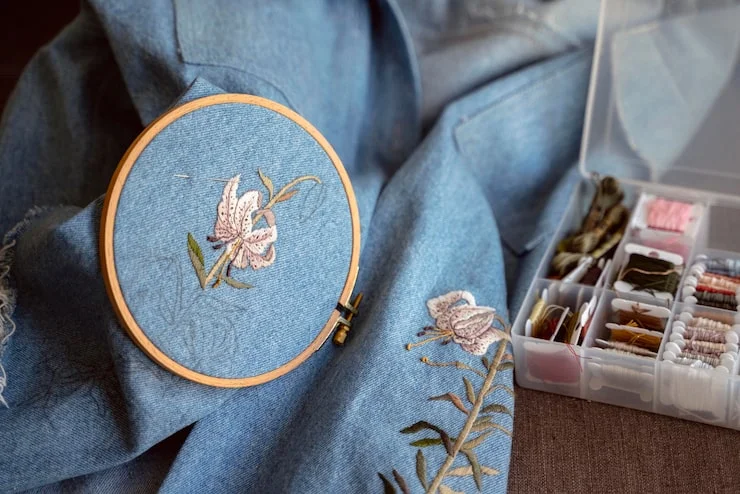
Have you ever walked past a pile of old clothes or a dusty piece of furniture and thought, "Someone could make something out of this"? Well, that someone can be you. Thrift flipping is a simple business where you buy cheap secondhand items, fix them up, and sell them for a profit. It is not a get-rich-quick scheme, but it is a real way to earn money from your own home.
India's secondhand market is huge and growing fast. The market is worth about thirty-three thousand crore rupees every year and is growing at twenty-five to thirty-five percent every year . More and more young people are buying pre-loved clothes, furniture, and accessories. Around seventy percent of Gen-Z shoppers in India say they are open to buying secondhand things . This is your thrift flip ideas for beginners.
This guide will walk you through everything you need to know about thrift flipping. We will cover how to start with little money, where to find good items, what sells best, and how to sell them. No fancy words, no confusing jargon. Just simple, clear steps that anyone can follow.
What is Thrift Flipping and Why Should You Try It?
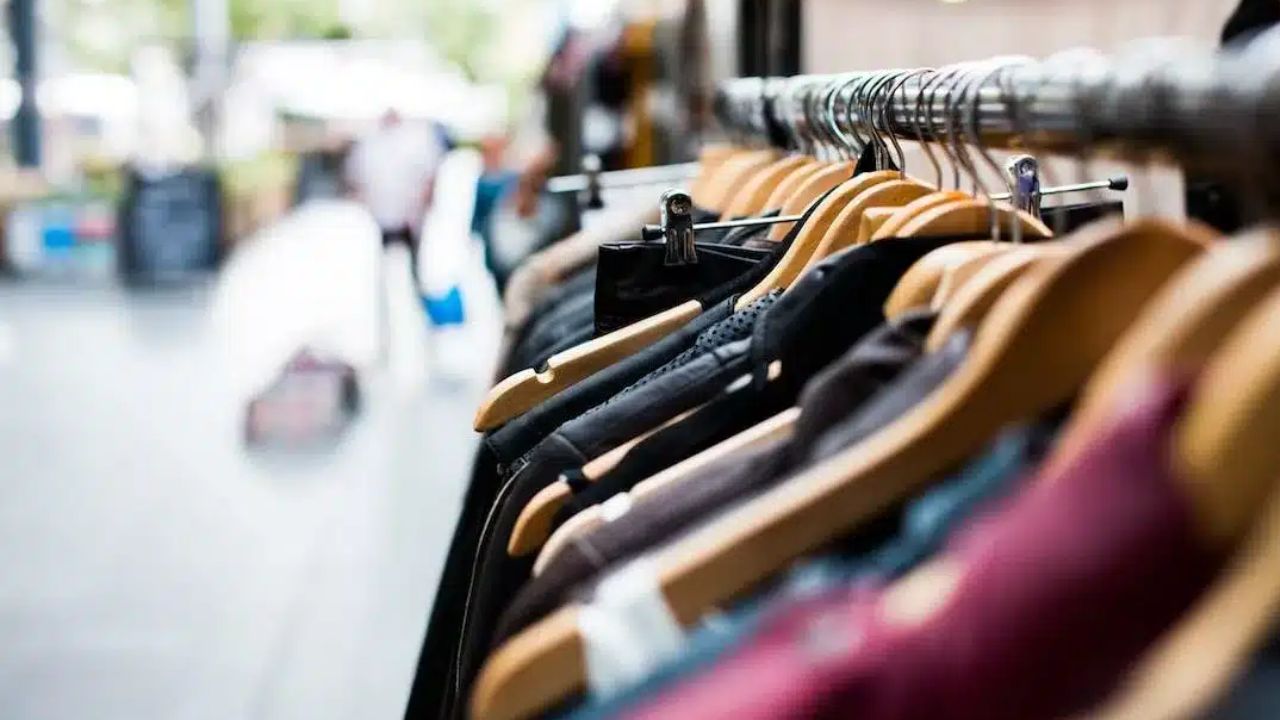
Thrift flipping is simple. You go to a market, a thrift store, or a flea market and buy things at a low price. Then you clean them, fix them if needed, and sell them online or offline at a higher price. The difference between the buying price and the selling price is your profit.
Many people in India are doing this as a full-time job. Take Vishu Roy, a twenty-two year old from Delhi. He started his thrift business with just five to ten thousand rupees from his savings and some help from his family . Now it is his main source of income. He works six to seven hours a day managing his social media, posting reels, replying to messages, and tracking orders .
Astha Chhetri, a twenty-six year old, also started thrifting as a side job while working at a call centre . She was not happy with her job, neither mentally nor financially. She wanted to build something of her own. Now thrift flipping is her full-time work .
The numbers add up. One student started with just two thousand rupees. They sourced items from Chor Bazaar and local thrift stores, cleaned them, and sold them on Instagram. In three months, they made a profit of over twelve thousand rupees. That is an average return of three hundred eighty-seven percent. They earned one hundred twenty-four rupees per hour, which is more than Mumbai's minimum wage of about fifty-two rupees per hour .
The best part? Anyone can try this. You do not need a big budget or special training. You just need a good eye, some hard work, and a phone to take pictures and talk to customers.
Read Also: Easy DIY Fabric Flower Brooch Ideas For Sarees
What Items Should You Flip? Best Categories for Beginners?
Not everything in a thrift store is worth buying. You need to know what sells. Experienced flippers look for four signs of value: brand name, good material, good craftsmanship, and scarcity . Here are the categories that work best for beginners.
Clothes and Accessories
Clothes are the most popular item for thrift flipping in India. Most buyers are students and young professionals looking for cheap, stylish clothes . On average, they spend eight hundred to fifteen hundred rupees per item .
Branded clothes sell fast. Look for brands like H&M, Zara, Levi's, Patagonia, and Lululemon. These have guaranteed demand. One student flipped a vintage Levi's jacket they bought for one hundred twenty rupees at a flea market. They sold it for four hundred fifty rupees in just two hours . That is a profit of three hundred thirty rupees for fifteen minutes of work.
Vintage denim and band t-shirts are also in high demand. Nostalgic fashion trends keep the demand strong . Leather bags and vintage blazers also sell well. One seller bought a blazer for one hundred fifty rupees and sold it for six hundred rupees. That is a three hundred percent return .
Sneakers can be very profitable. A seller bought sneakers for three hundred fifty rupees and sold them for twelve hundred rupees. That is a profit of eight hundred fifty rupees .
Furniture
Furniture flipping can make you good money. Solid wood furniture like vintage dressers, bookshelves, and tables can be refinished or repainted for resale . Mid-century modern pieces are highly sought after and can sell for a premium .
Smaller items like side tables, chairs, and decorative pieces are easier to resell because you can move them around more easily . The key to furniture flipping is finding good quality wood and pieces with interesting shapes.
Home Decor and Collectibles
People love unique items for their homes. Vintage glassware, old Pyrex dishes, and ceramic pieces attract collectors . Framed art and vintage frames can be worth more than you expect .
Brass items, wooden decor, and unique decorative pieces often sell well on home decor platforms. One seller found a leather bag for two hundred rupees and sold it for eight hundred fifty rupees, making a profit of six hundred fifty rupees .
Books
First editions and vintage books are in high demand, especially classic literature and non-fiction topics . Books with the original dust jackets and signed copies are worth more. Book collectors are always looking for rare finds.
Where to Find Items to Flip in India?
Knowing where to shop is just as important as knowing what to buy. Here are the best places to find cheap items.
Local Markets and Flea Markets
Delhi's street markets like Sarojini Nagar and Janpath are the heart of India's thrift economy . Many resellers source their stock from these places, build contacts, and learn the trade . In Mumbai, you can try Chor Bazaar and Linking Road thrift stores. These places often sell clothes at fifty to seventy percent below retail price .
The trick is to go regularly and build a relationship with the sellers. When they know you, they might set aside good items for you or give you better prices.
Thrift Stores and Secondhand Shops
Independent thrift stores can have rare gems if you are patient enough to search through the racks and shelves . Visit different stores to see what kind of items they have. Location matters. Stores in upscale neighborhoods often have better quality items and better donations .
Estate Sales and Garage Sales
Estate sales are great for finding high-quality furniture and vintage goods . Garage sales and flea markets often have the cheapest prices. But you need patience and time to find good items .
Online Platforms
You can also find items to flip on Facebook Marketplace and OLX . Look for underpriced listings with resale potential. But remember, you want to buy cheap to make a good profit.
How to Start Your Thrift Flip Business Step by Step?
Starting a thrift flip business is not complicated. Here is a step-by-step plan to help you get started.
Step 1: Start with a Small Budget
You do not need a lot of money to begin. One student started with just two thousand rupees . Vishu Roy started with five to ten thousand rupees . The best approach is to start small, see what works, and only expand once you have regular customers and steady sales .
Step 2: Choose Your Platform
Most online thrift stores start their business on Instagram because it is easy to use . Create a business account to keep track of your orders, customers, and followers. Instagram Business gives you more tools to track activity on your page .
You can also sell on Facebook Marketplace, OLX, or apps like FreeUp, which is India's largest community for buying and selling secondhand items . Some people sell on WhatsApp by sending photos to customers directly.
Step 3: Source Your Items
Go to your local markets and thrift stores. Look for the categories we discussed earlier. Focus on brands and quality. Check for damage, missing buttons, or stains. Some problems can be fixed, but others will lower the value too much .
One seller explains, "Sometimes you buy stock for fifteen hundred rupees and cannot sell it at all. If it doesn't sell, it is a loss" . So be careful about what you buy.
Step 4: Clean and Fix Your Items
This is the "flip" part. Clean your items thoroughly. For clothes, wash and iron them. For leather, use proper cleaner. For furniture, you might need to sand and repaint. Make the item look as close to new as possible. Good presentation leads to higher prices .
Step 5: Take Good Photos
Your sale depends on how appealing you make the items look . Use natural lighting and a clean, simple background. The camera angle should be the same for every item. If you can, show the item on a person so buyers can see how it looks when worn .
Step 6: List Your Items
Write clear and honest descriptions. Mention the brand, the size, the material, and any flaws. Include relevant keywords like "vintage," "preloved," or the brand name. Pricing is important. Research what similar items sell for online. The student experiment showed that pricing items at two and a half to three times the cost worked well .
One important tip: take payment first. Strictly avoid "pay after delivery." No matter how much you trust your customers, you can never be too sure. Take online payments through UPI or bank transfer. These are easier to track .
Step 7: Build Trust and Get Repeat Customers
Trust is very important in the secondhand business. There is some cultural stigma in India about buying used items. Many people see it as "someone else's discarded clothes," which has a negative meaning in Hindi . But this is changing, especially among young people.
Be transparent with your customers. Always label things clearly as "pre-loved," "refurbished," or "upcycled." Never sell fake branded goods. That can get you in trouble. Keep things clean and let buyers know about your cleaning process. This will win their trust and keep them coming back .
Thrift Flip Ideas for Beginners - Simple Projects You Can Try
Here are some specific thrift flip ideas that are easy for beginners. These projects do not need expensive tools or thrift flip ideas for beginners.
Idea 1: Vintage Denim to Tote Bag
Denim jackets and jeans can be turned into trendy tote bags. All you need is a pair of old jeans or a jacket, a pair of scissors, and some basic sewing. Cut the legs to the size you want, sew the bottom shut, and add handles from the leftover fabric. This is a simple project that takes about an hour.
Idea 2: Paint an Old Nightstand
A twenty-rupee nightstand can become a one-hundred-fifty-rupee boho piece. All you need is some sandpaper, paint, and a brush. Sand down the rough edges, paint it a nice color, and maybe add some gold leaf details. This is one of the easiest and most profitable flips.
Idea 3: Upgrade a Basic Shirt
You can add patches, lace, or embroidery to a plain shirt to make it unique. One student bought a t-shirt for eighty rupees, added some design, and sold it for two hundred eighty rupees. That is a two hundred fifty percent return .
Idea 4: Restore a Leather Bag
Leather bags can be restored with a simple leather cleaner and conditioner. Clean the bag, polish it, and fix any loose stitching. A two-hundred-rupee bag can sell for over eight hundred rupees . This is a low-effort, high-profit flip.
Idea 5: Revive Glassware and Vases
Old glassware and vases can be transformed with some spray paint or gold leaf. A quick coat of spray paint can turn a dated vase into a modern decor piece. These items are small, easy to ship, and sell well on home decor platforms.
You May Also Like: Crochet Blouse Patterns For Beginners
Pricing and Selling - How to Make a Profit
How Much Should You Charge?
The student experiment found that pricing items at two and a half to three times the cost worked well . So if you buy a jacket for three hundred rupees, list it for seven hundred fifty to nine hundred rupees. This gives you a good profit margin while keeping the price reasonable for buyers.
Always check what similar items are selling for on platforms like eBay, Poshmark, or Facebook Marketplace before you set your price . You want to be competitive but not lose money.
Choose Your Selling Platform Carefully
Different platforms are good for different items. Here is a simple guide.
Etsy is good for handmade and vintage items. It attracts buyers looking for something special and older . Poshmark is good for fashion and some home goods. They provide prepaid shipping labels to make shipping easy . Instagram is the most popular in India because it is easy to use and reaches many people . Facebook Marketplace is informal and good for local buyers. FreeUp is India's largest secondhand marketplace and handles all the logistics, which makes selling very easy .
Keep Your Customers Happy
Good customer service is the key to getting repeat customers. Respond quickly to messages and questions. Ship items on time and provide tracking numbers . Wrap packages neatly. You can add a handwritten note with some styling ideas. This small touch can make a big difference .
Run Offers and Clearance Sales
A smart way to increase sales is to put out exciting offers from time to time. Festivals and special occasions are good times for sales. Schemes like "Buy 1, get fifteen percent off, buy 2, get thirty percent off" can work well. Clearance sales help you move slow-selling stock and make room for new items .
Common Mistakes to Avoid
Mistake 1: Buying Items Without Researching
The easiest way to lose money is to buy something that nobody wants. Before you buy, check online to see what similar items are selling for. The student experiment found that no-name brands are very hard to sell, even at low prices . Stick to brands that people know and trust.
Mistake 2: Spending Too Much
It is easy to overspend when you are thrift shopping. Determine a budget before you go out and stick to it. Track every purchase so you know your profit margins .
Mistake 3: Ignoring Damage
A small stain or a missing button might seem like a small problem. But it can lower the value of an item a lot. Some flaws can be fixed, but others may not be worth the effort . Be careful when buying damaged items.
Mistake 4: Not Being Consistent
Social media is your storefront. If you stop posting, people will forget you exist. Vishu Roy explains, "Consistency is everything in this business" . He spends hours every day managing his social media. You do not have to spend that much time, but you need to post regularly.
Mistake 5: Trusting People Too Much
Not everyone is honest. A student who started a thrift store at age nineteen warns, "Strictly avoid payments after delivery. No matter how much you try to verify your clients, you can never be too sure" . Take payment first, then ship the item. This simple rule will save you from many headaches.
Conclusion
Thrift flipping is a real business that is working for many young people in India. The secondhand market is growing fast. Young shoppers are leading the way. They care about the environment and they like saving money. This is a perfect time to start.
You do not need a lot of money. You do not need special skills. You do need to put in the time and the hard work. The student experiment proved that thrift flipping can earn more than minimum wage. It also taught real business skills like sourcing, marketing, and customer service. These are skills that can help you for the rest of your life.
Start small. Visit your local market this weekend. Buy a few items. Clean them up. Take good photos. Post them online. Talk to customers. Learn from your mistakes. Keep going. The people who succeed in this business are not the ones with the most money. They are the ones who keep showing up, keep learning, and keep building.
Handmade Farewell Gift Ideas For Friends
Upcycled Coffee Mug with Cricut Joy